The Custom Home Building Process: What to Expect From Start to Finish
Building your own home is a pretty exciting thought, right? But let's be real, the whole custom home building process can seem like a huge mountain to climb. Where do you even start? It's a lot more than just picking out paint colors. You've got budgets, land, designs, builders, and a whole bunch of other stuff to think about. We're going to break down what you can actually expect, from the very first idea to the moment you get the keys. Think of this as your friendly guide to making your dream home a reality, without losing your mind.
Key Takeaways
- Start by figuring out your budget. It's the first big step and guides almost every other choice you'll make.
- Pick your location carefully. Where you build affects everything from your daily life to the actual construction.
- Work closely with designers and architects to make sure your home fits how you live.
- Understand the construction phase, including permits and how materials are chosen.
- Choose your builder wisely and communicate openly throughout the whole custom home building process.
Laying The Foundation For Your Custom Home Building Process
Starting a custom home build is a huge undertaking, and honestly, it can feel a little daunting at first. It’s not like picking out a pre-built house where most of the big decisions are already made. With a custom build, you’re in the driver's seat from the get-go. This initial phase is all about getting your ducks in a row before you even think about breaking ground. Getting these foundational elements right will make the rest of the process so much smoother.
Setting A Realistic Budget
Let's get real: money talks. Before you start dreaming up grand designs, you need to figure out what you can actually afford. This isn't just about the sticker price of the house itself; you've got to think about all the little costs that pop up along the way. It’s way better to have a solid budget from the start than to run out of funds halfway through and have to make tough compromises.
- Know your borrowing power: Get pre-approved for a mortgage. This gives you a clear number to work with.
- Research local costs: Prices for materials and labor can change a lot depending on where you are.
- Add a buffer: Always, always, always include a contingency fund for unexpected expenses. Things will come up.
Building a custom home is a significant financial commitment. Being upfront and honest about your budget from the very beginning is the most responsible approach to making your dream a reality without unnecessary stress.
Choosing The Right Location
Where you build your home is almost as important as the home itself. This decision impacts your daily life, your commute, and even your property taxes. Think about what kind of neighborhood you want to live in and what’s important to you and your family.
- Commute: How far are you willing to travel to work, school, or shops?
- Schools: If you have kids, the local school district is a big deal.
- Amenities: Do you want to be close to parks, restaurants, or other conveniences?
- Neighborhood feel: Do you prefer a quiet street or a more bustling area?
Finding the right spot is key to your overall happiness with your new home. It sets the stage for your lifestyle for years to come. You can explore different areas and see what feels like the best fit for you and your family. Choosing the right location is a big step.
Understanding Your Lifestyle Needs
This is where the fun part of dreaming really kicks in, but it needs to be grounded in reality. How do you actually live? Think about your daily routines, your hobbies, and how you use your current home. What works well? What drives you crazy?
- Daily life: Do you work from home and need an office? Do you entertain often and need a big kitchen or living area?
- Future plans: Are you planning to grow your family? Will aging parents move in?
- Hobbies and interests: Do you need space for a workshop, a home gym, or a craft room?
Considering these aspects now means your new home will actually fit your life, not the other way around. It’s about creating a space that supports how you want to live, now and in the future. This is the core of what makes a custom home truly yours.
Designing Your Dream Home
This is where the fun really begins – turning those Pinterest boards and napkin sketches into a real, livable space. It’s about more than just picking out pretty finishes; it’s about creating a home that truly works for you and your family. Think about how you actually use your space day-to-day. Do you love to cook and entertain? Maybe you need a big, open kitchen with an island. Or perhaps you work from home and need a dedicated, quiet office space. Getting the design right from the start saves a lot of headaches later on.
Working With Architects And Designers
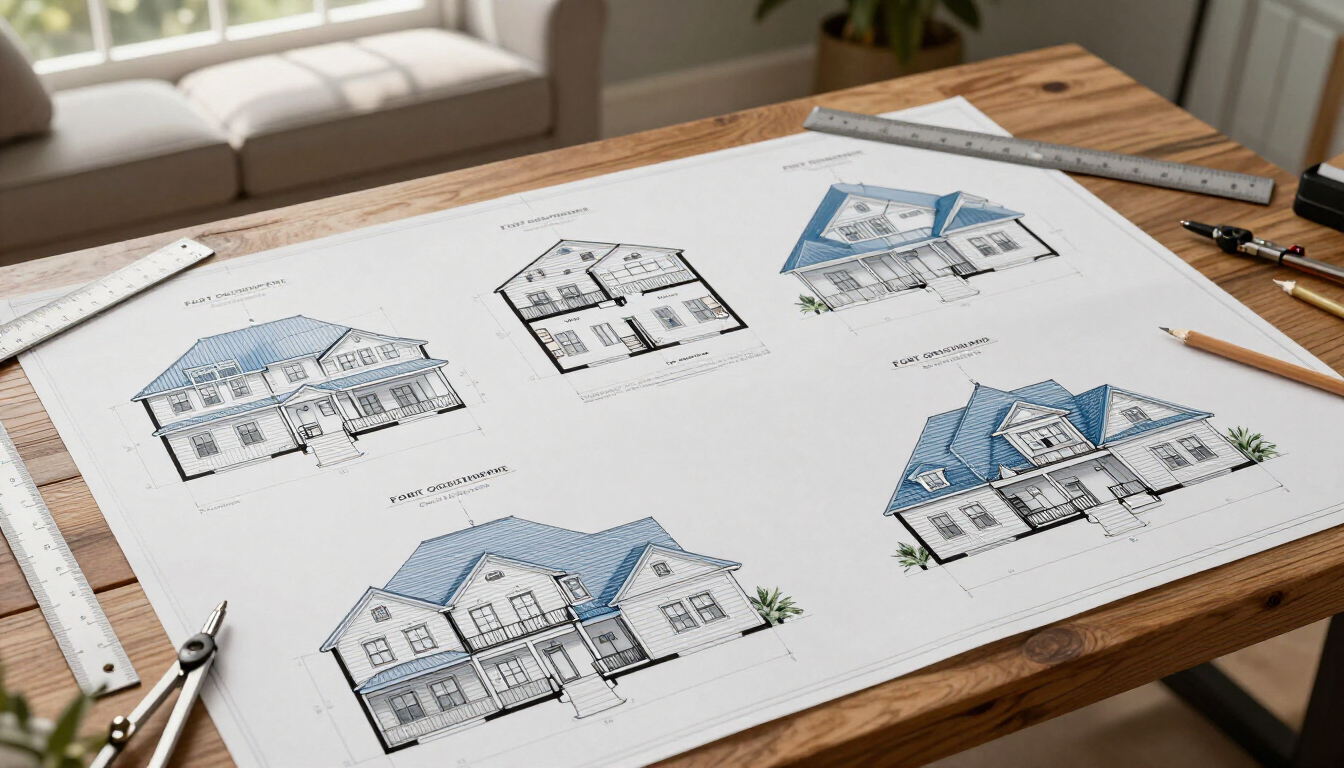
These are your creative partners. They take your ideas, your lifestyle needs, and the practicalities of building and translate them into actual blueprints. It’s a collaborative process, so don't be shy about sharing your vision, even if it seems a little out there at first. They’re trained to figure out how to make things work. They’ll help you explore different layouts and make sure everything flows well. It’s a good idea to look at their past work to see if their style matches what you're hoping for. You can find architects who specialize in various design styles to get a feel for what's out there.
Exploring Design Styles And Preferences
Before you even meet with a designer, it’s helpful to have a general idea of what you like. Are you drawn to clean, modern lines, or do you prefer something more traditional and cozy? Think about the overall feel you want for your home. Do you want it to blend in with the neighborhood, or stand out? Gathering inspiration from magazines, websites, or even homes you've visited can be a great starting point. This helps narrow down the options and makes the design process smoother.
It's easy to get caught up in the excitement of choosing finishes and appliances, but don't lose sight of the fundamental reasons why you're building a custom home in the first place. Keep your lifestyle, future needs, and aesthetic preferences at the forefront of every decision.
Customizing Essential Living Spaces
When you're building a custom home, you get to decide how each room functions. It's not just about having a kitchen; it's about designing a kitchen that fits your cooking habits. Consider these key areas:
- Kitchen: Think about workflow. Where will the fridge, stove, and sink be? How much counter space do you need? What kind of storage solutions will work best?
- Living Areas: Do you want an open-concept space for entertaining, or separate rooms for different activities? How much natural light do you want?
- Bedrooms and Bathrooms: Consider the size, layout, and features that will make these spaces comfortable and functional for everyone.
- Home Office/Flex Space: With more people working from home, having a dedicated space is becoming a must. Think about its location and any specific needs like soundproofing or ample outlets.
Getting these design and floor plan details right early on is super important for creating a home that truly fits your life.
Navigating The Construction Phase
So, you've got your plans, your permits are in hand, and the design is locked in. Now comes the part where your dream home actually starts to take shape – the construction phase. This is where the blueprints turn into walls, and the foundation becomes a structure. It's an exciting time, but it's also a period that requires careful attention to detail and clear communication.
Understanding Permits and Regulations
Before any heavy machinery rolls onto your site, it's absolutely vital to make sure all the necessary permits are secured. This isn't just red tape; it's a legal requirement that ensures your build adheres to local building codes. These codes are in place for safety and quality, covering everything from structural integrity to electrical and plumbing systems. Your builder usually handles this, but it's good to know what's involved. Zoning laws also play a big part, dictating what you can build and where, so make sure your plans fit the neighborhood's character. Regular inspections happen throughout the build to check that everything is up to code. These aren't meant to be roadblocks, but rather checks to catch any potential issues early on.
Navigating the maze of permits and regulations can feel daunting. It's essential to work with a builder who has a solid grasp of these requirements and a clear process for managing them. This proactive approach helps prevent costly delays and ensures your home is built safely and legally.
Selecting Building Materials and Suppliers
What your house is made of matters, a lot. The materials you choose impact everything from the look and feel to how long your home lasts and how much it costs to maintain. You'll want to know where your builder sources their materials and if they're using reputable suppliers. It's not just about picking pretty finishes; it's about building a solid, safe home. Ask about:
- Material Quality: Are they using durable, high-quality products?
- Supplier Reputation: Do the suppliers have a good track record?
- Material Origin: Are materials sourced locally, if possible?
Understanding these choices gives you peace of mind about the long-term durability of your home. Don't hesitate to ask about alternatives or upgrades that might fit your needs and budget better. You can explore options for sustainable building materials if that's a priority.
Managing the Construction Timeline
When will your home be ready? This is a big question, and you need a clear answer from your builder before you sign anything. A well-defined timeline helps manage expectations and keeps everyone on the same page. It's more than just a completion date; it's a roadmap with key milestones. Discuss:
- Key Milestones: What are the major stages of construction?
- Potential Delays: What factors could cause delays, and how are they handled?
- Progress Updates: How will you be kept informed about the build's progress?
A realistic timeline is a commitment from your builder that they've planned the project thoroughly. It gives you a benchmark to track progress and address any issues that pop up early on. Understanding the projected timeline is also crucial for planning your move and other related logistics. This detailed look at the stages of home construction can help you visualize the process.
Building Your Team Of Experts
So, you've got the vision, the budget, and the perfect spot picked out. Now comes the really important part: assembling the crew that's going to make your dream home a reality. This isn't a solo mission; it's a collaborative effort, and picking the right people is just as critical as picking the right windows or doors. Think of it like building a sports team – you need skilled players in every position.
Choosing The Right Custom Home Builder
This is probably the biggest decision you'll make. Your builder is your main point person, the one who manages the whole show. You want someone with a solid track record, someone who understands what you're going for, and, honestly, someone you feel comfortable talking to for months on end. Don't just go with the first name you find. Do your homework:
- Check their experience: How long have they been building custom homes? Have they worked on projects similar to yours?
- Look at their past work: A builder's portfolio is like their resume. Does their style match what you envision?
- Ask for references: Talk to people they've built for. Were they happy? Did the project stay on track?
- Verify credentials: Make sure they're licensed and insured. This is non-negotiable.
Finding a builder who aligns with your vision and values is key. It's not just about the structure; it's about the partnership you'll have throughout the process.
Assessing Communication And Compatibility
Once you've got a few potential builders in mind, it's time to see how well you actually click. You'll be spending a lot of time talking, making decisions, and maybe even solving problems together. A builder who communicates clearly and openly can make all the difference. Ask yourself:
- Do they listen to your ideas?
- Do they explain things in a way you understand?
- Are they responsive when you reach out?
- Do you feel comfortable asking them tough questions?
It's worth taking the time to find someone whose communication style matches yours. A good project manager on your build can really smooth things over, and that often starts with the builder themselves.
Understanding Subcontractors And Team Members
Your builder doesn't do everything themselves. They work with a whole team of specialists – plumbers, electricians, roofers, and more. It's a good idea to get a sense of who these people are. Ask your builder:
- Do they have a regular team of subcontractors they work with?
- How long have they been working with these tradespeople?
- Are all subcontractors properly licensed and insured?
Knowing that your builder has reliable, skilled people on their team, and that they manage purchasing and other tasks effectively, gives you peace of mind. It means everyone is working together to build your home right.
Ensuring Quality And Finalizing Your Build
So, you're almost there! The house is looking like a home, but we're not quite at the finish line yet. This stage is all about making sure everything is just right before you get the keys. It's the final check, the last polish, and getting ready to move in.
Warranty And Post-Construction Support
What happens after the builder hands over the keys? That's where the warranty and post-construction support come in. It’s super important to know what kind of backup you have if something pops up.
- What does the warranty cover? Make sure you understand if it's just the big structural stuff or if it includes things like plumbing, electrical, and appliances.
- How long does it last? Warranties can range from a year to much longer, so know the timeline.
- What's the process for claims? Who do you call, and how quickly can you expect a response if you need something fixed?
A good builder will stand behind their work. Knowing you have support after you move in can save a lot of stress down the road. It’s about peace of mind.
Conducting The Final Walkthrough
This is your big moment to inspect everything with a fine-tooth comb. Grab your builder, a notepad, and maybe a camera. Go through every room, open every cabinet, test every light switch. This is your chance to catch any little things that aren't quite perfect before you officially own the place. It's much easier to get fixes done now than after your furniture is in the way. A Residential Construction Quality Control Checklist can be a helpful tool here.
Preparing For Moving Day
Moving day itself can be a whirlwind. To make it smoother, plan ahead. Book movers early, start packing boxes way before you think you need to, and label everything clearly. Don't forget to pack an "essentials" box with things you'll need right away – toiletries, medications, a phone charger, and maybe some snacks. Also, double-check that your utilities are set up in your name and ready to go for your move-in date. Getting your new home ready for its first occupants is an exciting step, and having a custom home building checklist can help you stay organized through all the final details.
Making sure your project is top-notch and ready to go is the final step. We double-check everything to ensure it meets our high standards. Ready to see your dream project come to life? Visit our website today to learn more and get started!
Wrapping It Up
So, building your own home from the ground up is definitely a big undertaking. It’s a lot of moving parts, from picking the right spot and the right people to work with, all the way to the final coat of paint. But honestly, seeing your vision turn into a real place you can live in? That’s pretty amazing. Just remember to take it one step at a time, ask lots of questions, and try to enjoy the process. Before you know it, you’ll be handing over the keys to your brand-new, totally custom home.
Frequently Asked Questions
What's the very first thing I should do when thinking about building a custom home?
Before you get too far, it's super important to figure out how much money you can spend. This is your budget. It's like a roadmap for all your choices, from the land you pick to the materials you use. Being honest about your finances now helps avoid problems later.
How do I pick the right spot for my new house?
Choosing where to build is a big deal! Think about what's important to you. Do you want to be close to work or good schools? Do you like quiet neighborhoods or places with lots going on? The location affects your daily life, so pick a spot that fits how you want to live.
Who are the main people I'll work with to build my home?
You'll work with a team of experts. The most important is your custom home builder, who manages the whole project. You might also work with architects and designers to plan the look and layout. Then there are skilled workers like plumbers and electricians, called subcontractors, who do specific jobs.
What happens during the construction phase?
This is when your house actually gets built! It starts with digging the foundation, then building the frame, putting on the roof, and installing all the important stuff like pipes and wires. There will be checks along the way to make sure everything is built correctly and safely. Finally, they'll add the finishing touches like paint and flooring.
What's a final walkthrough, and why is it important?
The final walkthrough is your last chance to look over the house with your builder before you officially move in. You'll check every room, closet, and corner to make sure everything is just right. It's your time to point out any small issues or things that need fixing. It's much easier to get these things sorted out now than after you've moved all your belongings in.
What kind of support can I expect after my house is built?
After you move in, your builder should offer a warranty. This is like a promise that covers certain repairs for a set amount of time, usually for things like the structure or major systems. It's good to understand what the warranty includes and how to make a claim if you need to. This helps ensure your new home stays in great shape.