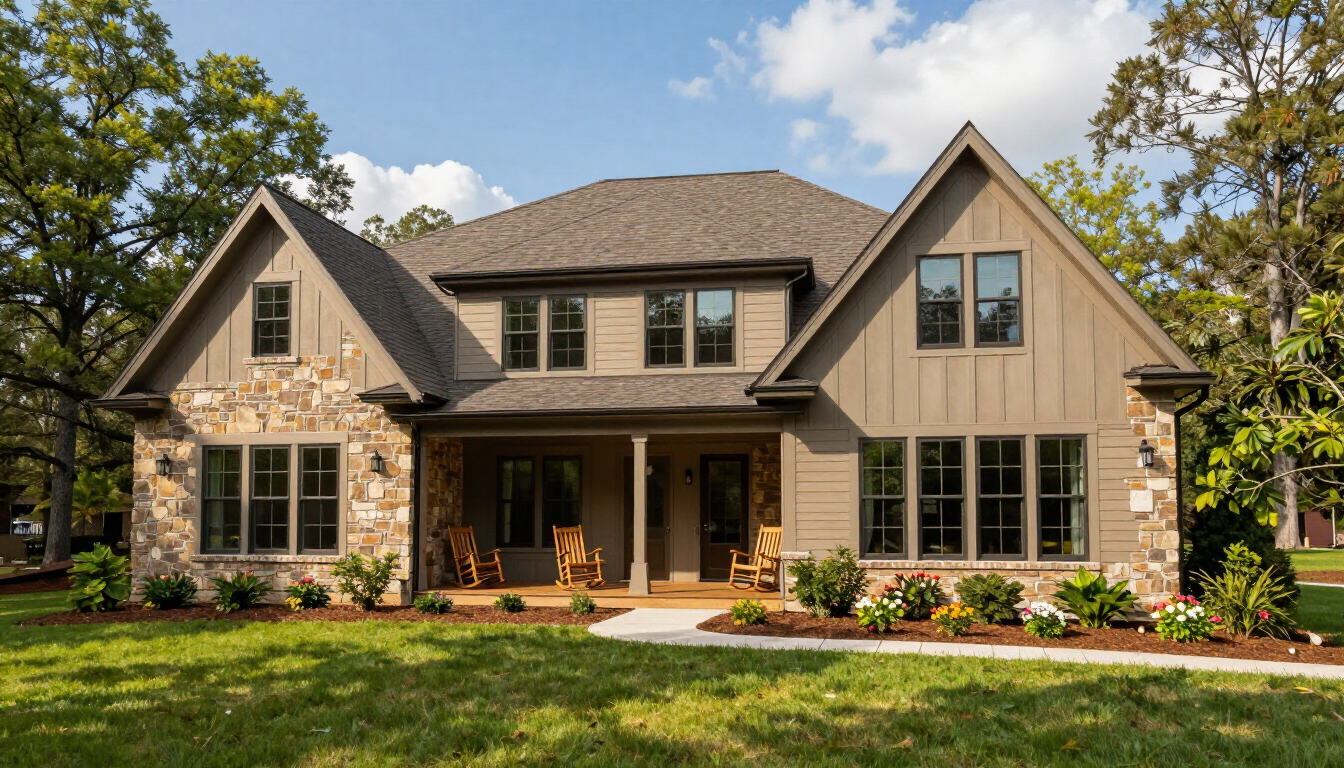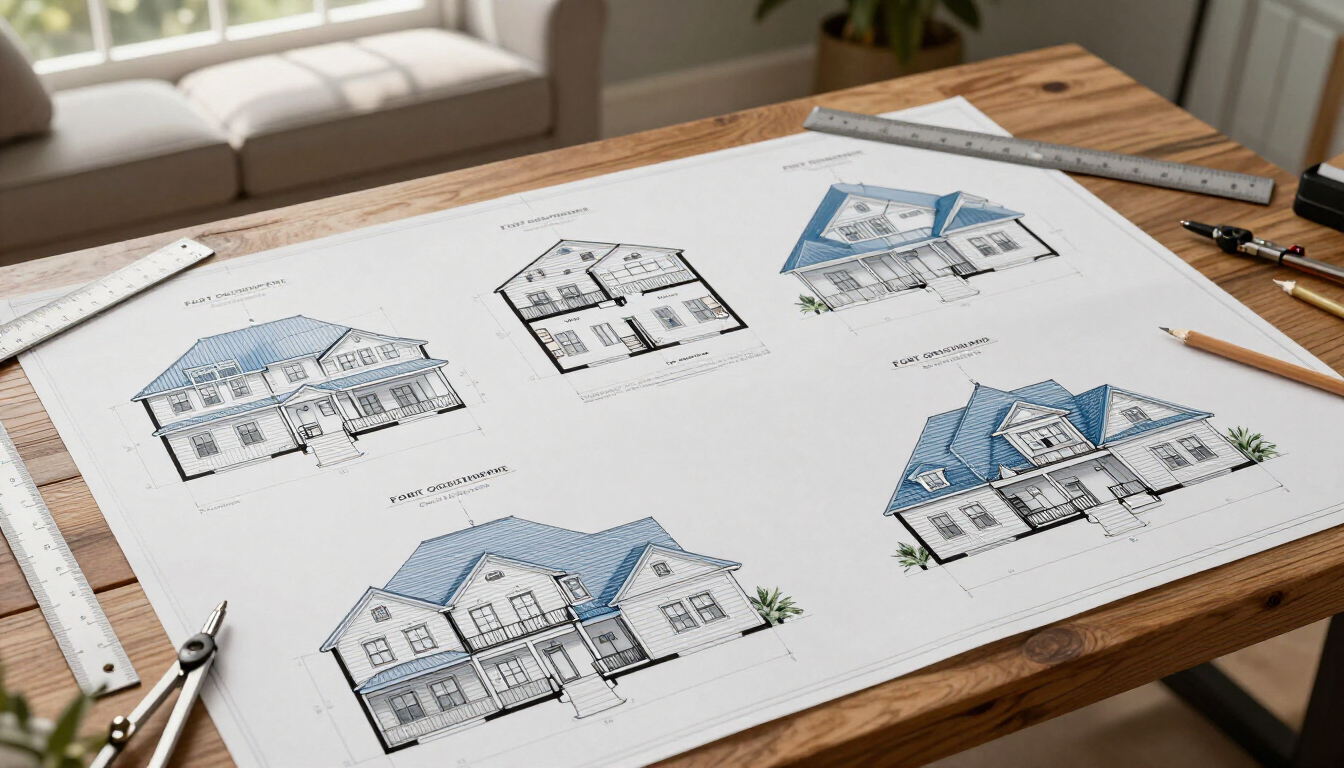
How to Design a Custom Home That Fits Your Lifestyle for Years to Come
Building a home that truly fits your life for years to come is a big project. It's more than just picking out paint colors or deciding on a kitchen layout. It's about thinking ahead and making sure your house works for you, not the other way around. We're going to walk through how to plan a custom home that you'll love living in, now and in the future. Think of it as designing your perfect lifestyle, but with walls and a roof.
Key Takeaways
- Start by really thinking about how you live day-to-day and what you might need down the road. Your home should match your life.
- Get your budget sorted early and pick a location that makes sense for your lifestyle and future plans. This sets the stage for everything.
- Focus on making your main living areas, like the kitchen and living room, super functional and comfortable. These are the spaces you'll use most.
- Consider integrating smart home tech and energy-saving systems during the build. It's easier and cheaper now than later.
- Choose a custom home builder you trust and can talk to easily. Their experience and how well you work together are super important for bringing your vision to life.
Understanding Your Lifestyle and Needs
Before you even think about paint colors or countertop materials, the most important step in designing your custom home is to really dig into how you live. This isn't just about picking a floor plan; it's about creating a space that works for you, day in and day out, for years to come. Your home should be a reflection of your life, not the other way around.
Defining Your Daily Routines
Think about your typical day, from the moment you wake up to when you go to bed. Where do you spend most of your time? What activities are central to your life?
- Morning Rituals: Are you a coffee-lover who needs a bright, open kitchen? Do you enjoy a quiet moment reading before the day starts? Maybe you need a dedicated spot for a home gym.
- Work and Hobbies: Do you work from home? If so, a functional home office is a must. What about hobbies? Do you need space for crafting, music, or a workshop?
- Family Time: How does your family interact? Do you prefer open-concept living for easy connection, or do you need separate zones for different activities?
- Evening Wind-Down: How do you relax? Do you need a cozy media room, a quiet reading nook, or perhaps a space for entertaining guests?
Understanding these patterns helps you design spaces that are not just beautiful, but genuinely functional for your everyday life. It's about making your home support your habits, not fight against them.
Anticipating Future Life Changes
Life is always changing, and your home should be able to adapt. Consider what the next 5, 10, or even 20 years might look like.
- Family Growth: Are you planning to have children, or perhaps have older parents move in?
- Career Shifts: Will your work-from-home needs change? Might you need a dedicated space for a growing business?
- Mobility: As you age, will you need features like single-level living or wider doorways?
- Lifestyle Evolution: Will your hobbies change? Do you anticipate needing more space for entertaining or perhaps a quieter retreat?
Thinking ahead helps you build a home that remains a comfortable and practical fit, avoiding costly renovations down the line. It's about creating a home that grows with you. Designing a custom home should always consider these long-term possibilities.
Identifying Your Aesthetic Preferences
Beyond function, how do you want your home to feel? Your aesthetic preferences are what give your home its personality and make it uniquely yours.
- Style Inspiration: Are you drawn to modern, minimalist lines, or do you prefer the warmth of traditional or farmhouse styles? Look through magazines, Pinterest, and Houzz for ideas.
- Color Palettes: What colors make you feel calm, energized, or happy? Consider the mood you want to create in different rooms.
- Materials and Textures: Do you love the look of natural wood, the sleekness of stone, or the softness of textiles? Think about how different materials contribute to the overall feel.
- Atmosphere: Do you want a bright and airy home, or something more cozy and intimate? This will influence window placement, lighting, and overall layout.
Getting a handle on your lifestyle and aesthetic preferences is the bedrock of a successful custom home build. It ensures that the final result is not just a house, but a home that truly fits you. Enhance the value of your custom home design by making these personal preferences a priority from the start.
Establishing a Realistic Budget and Location
Okay, let's talk about the nitty-gritty: money and where you're going to put this dream house. It’s easy to get lost in the fun stuff like picking out tile, but if the budget isn't solid, none of that matters. And location? That impacts your daily life more than you might think.
Setting Your Financial Parameters
First things first, figure out what you can actually afford. This isn't just a rough guess; it means getting pre-approved for a mortgage so you know your borrowing power. Then, you need to look at construction costs in your area. These can swing wildly depending on where you are and what materials you're eyeing. Always, always, always add a buffer for unexpected expenses. Seriously, they will pop up. Think of it as a mandatory savings account for your build.
- Get pre-approved for a mortgage.
- Research local construction costs.
- Add at least 10-15% for unexpected issues.
Building a custom home is a significant investment. Being upfront about your financial limits from the start prevents major headaches down the road and ensures your project stays on track without compromising quality.
Researching Local Construction Costs
This ties right into your budget. Prices for labor and materials aren't the same everywhere. A quick online search might give you a ballpark, but talking to local builders or real estate agents who deal with new construction is even better. They'll have a more accurate picture of what things cost in your specific town or county. Don't forget to factor in things like permits and potential impact fees, which can add a surprising chunk to the total. This is where understanding local building regulations becomes really important.
Choosing the Ideal Neighborhood
Location, location, location, right? It’s a classic for a reason. Think about your daily commute to work or school. How important is it to be close to family, friends, or specific amenities like parks, shopping, or restaurants? Consider the vibe of the neighborhood too. Do you want a quiet, secluded spot, or something more active with neighbors nearby? Sometimes, the perfect lot might be a bit further out, but if it means a shorter commute or better schools, it could be worth it. It’s all about finding a place that fits how you want to live, not just now, but for years to come. A good starting point is to look at a custom home building checklist to see what factors are most important for your chosen area.
Designing Essential Living Spaces
When you're building a custom home, the real magic happens when you start thinking about the rooms where you'll actually live, day in and day out. It's not just about having a place to sleep or cook; it's about crafting spaces that truly fit how you live and make you feel good.
Creating Functional Kitchen Layouts
The kitchen is often the heart of the home, and for good reason. It's where meals are made, conversations happen, and memories are created. When planning your kitchen, think about:
- Workflow: How do you move around when you're cooking? The classic triangle of sink, stove, and fridge is a starting point, but customize it to your cooking style. Do you need more counter space near the stove? Is the trash can conveniently located?
- Storage: This is huge. Think about pull-out shelves, deep drawers for pots and pans, and maybe even a dedicated pantry with smart organization. You'll never regret having enough storage.
- Appliances: What do you actually use? Consider energy-efficient models and features that make your life easier. Integrated appliances can give a really sleek look.
A well-designed kitchen should feel intuitive. Everything should be within easy reach, and the space should flow naturally, whether you're whipping up a quick breakfast or hosting a dinner party. It's about making the everyday tasks feel effortless.
Crafting Welcoming Living Areas
Your living room is likely where you'll relax, entertain guests, and spend quality time with family. Consider:
- Layout: How will furniture be arranged? Think about creating zones for conversation, watching TV, or reading. The placement of windows and doors really impacts this.
- Functionality: Is this primarily a TV room, a quiet space for reading, or a hub for entertaining? Plan your seating, lighting, and any built-in storage accordingly.
- Aesthetics: What mood do you want to create? Colors, textures, and the overall style should reflect your personal taste and make the space feel inviting.
Designing Serene Bedroom Sanctuaries
Bedrooms are more than just places to sleep; they're your personal retreats. When designing them, keep these in mind:
- Size and Flow: Consider the room's dimensions and how you'll use the space. Will it just be for sleeping, or do you want a sitting area or a small workspace?
- Storage Solutions: Adequate closet space is key to keeping bedrooms tidy. Built-in shelving or well-designed wardrobes can make a big difference.
- Lighting: A mix of natural light from windows and thoughtful artificial lighting (overhead, task, and ambient) creates a calming atmosphere. You might even want to explore custom home ideas for unique lighting features.
Ultimately, these core living spaces should feel like an extension of you, designed for comfort, practicality, and enjoyment for years to come.
Integrating Smart Home Technology and Systems
When you're building a custom home, it's the perfect time to think about adding in some smart tech. It's way easier to put all the wiring and systems in place during construction than trying to add them later. Plus, it can make your home more comfortable, secure, and even save you some money on bills.
Planning Plumbing and Electrical Infrastructure
This is where the real groundwork happens. You don't want to skimp here because fixing it later is a pain and costs a fortune. Think about where you'll need outlets – seriously, put them everywhere you can imagine. You'll thank yourself later. Also, consider the type of water heater; tankless models save space and energy but might need a gas line upgrade. It's also smart to run extra conduit for future upgrades, like maybe an electric vehicle charger or more smart home features down the line. A whole-house water filter is a good idea too, to protect your pipes and appliances.
Selecting Efficient Heating and Cooling Systems
Your HVAC system is a big deal for comfort and your energy bills. Look into variable-speed AC units; they're more efficient and keep temperatures steadier. Zoning is another great option, letting you control different areas of the house separately. This saves energy and keeps everyone happy. And don't forget about ventilation – good airflow improves indoor air quality and helps prevent mold.
Incorporating Smart Home Automation
Smart home tech isn't just about fancy gadgets; it can genuinely make life easier. Think about smart lighting that you can control from your phone or set on schedules. Smart thermostats learn your habits and adjust the temperature automatically, saving energy when you're away. Security systems with smart doorbells, cameras, and sensors add a great layer of protection. Planning for these systems now means they'll be integrated smoothly, making your home more convenient and secure. Integrating smart features during the design phase is key.
Building a home that's connected and efficient from the start means fewer headaches down the road and a more enjoyable living experience for years to come. It's about making your home work for you, not the other way around.
Selecting Interior Finishes and Materials
This is where your custom home really starts to feel like your home. It's all about the details that reflect your personal style and make the space unique. Getting these choices right can make a huge difference in the overall look and feel, and even the long-term value of your home.
Choosing flooring is a big decision, impacting both aesthetics and functionality. Think about the traffic in each area and the kind of wear and tear it will endure. There are so many options, it can be overwhelming! Here are a few to consider:
- Hardwood: Classic and beautiful, but can be pricey and require maintenance.
- Tile: Great for bathrooms and kitchens, durable and water-resistant.
- Carpet: Adds warmth and comfort, but can stain easily.
- Laminate: A budget-friendly option that mimics the look of wood or tile.
Don't forget to factor in the subfloor! It needs to be level and properly prepared to ensure your flooring lasts. Also, consider the overall style of your home. A rustic farmhouse might call for wide-plank hardwood, while a modern condo could benefit from sleek concrete floors. You can find guidance on selecting durable materials that enhance a home's lifetime value at Stonewood Custom Homes.
Paint is one of the most impactful and affordable ways to transform a space. But choosing the right colors can be tricky. Here's what I've learned:
- Consider the lighting: Natural light versus artificial light can drastically change how a color looks.
- Think about the mood: Do you want a calming and serene bedroom, or a vibrant and energetic living room?
- Test, test, test: Always get samples and paint a small area before committing to an entire room.
Don't be afraid to experiment with accent walls or different sheens. And remember, paint colors can also affect the perceived size of a room. Lighter colors tend to make spaces feel larger, while darker colors can create a cozy and intimate atmosphere.
When choosing interior finishes for a custom home, it's best to follow a specific selection order to ensure a cohesive look. Begin with flooring, then move to cabinets, countertops, and tiles. Save paint for last. Always test samples of your chosen materials in your home's lighting conditions before making a final decision.
Fixtures and appliances are more than just functional; they're design elements in their own right. From lighting to faucets to ovens, these choices can really elevate the look of your home. Don't skimp on quality when it comes to fixtures and appliances. These are items you'll be using every day, and investing in durable, well-made products will save you money in the long run. Also, think about energy efficiency. Energy Star appliances can help lower your utility bills and reduce your carbon footprint.
Maximizing Outdoor Living and Functionality
Your home's outdoor space is more than just a patch of grass; it's a genuine extension of your living area. Thinking about how you'll use your yard, patio, or deck can really boost your home's overall usability and enjoyment. It's about creating areas that are both beautiful and practical, letting you take full advantage of good weather and the natural surroundings.
Designing Inviting Outdoor Spaces
Creating outdoor spaces that feel like a natural part of your home is a big trend. Imagine stepping right out from your living room onto a comfortable patio or a well-equipped deck. This effectively increases your usable square footage and makes your home more appealing. Consider these elements to make your outdoor areas truly shine:
- Outdoor Kitchens: For those who love to entertain or simply enjoy cooking outside, a full outdoor kitchen setup with a grill, sink, and counter space can be a game-changer. It keeps the cooking smells and heat out of your house during gatherings.
- Comfortable Seating Areas: Think beyond just a few chairs. Built-in benches, comfortable lounge sets, or even a cozy fire pit area can transform your yard into a place where people want to gather and relax.
- Shade Structures: Pergolas, awnings, or covered patios provide much-needed shade on sunny days, making your outdoor spaces usable for longer periods. They also add architectural interest.
- Ambiance Lighting: Thoughtful outdoor lighting can create a magical atmosphere in the evening and also improve safety. String lights, path lights, and accent lighting can make a huge difference.
Investing in your outdoor living areas is a smart move. It adds significant value to your home and provides enjoyment for years to come. It's about making your property work harder for you.
Creating Productive Home Office Environments
With more people working from home, a dedicated home office space is no longer a luxury but a necessity for many. It's not just about putting a desk in a spare room; it's about designing a space that supports focus and productivity. A well-designed home office is an investment in your well-being and career.
Key features to consider for your home office include:
- Soundproofing: To minimize distractions during calls or focused work, consider soundproofing materials for walls and doors.
- Ergonomics: Invest in comfortable, adjustable furniture like desks and chairs to prevent strain and promote good posture.
- Custom Storage: Built-in shelving, cabinets, and drawers help keep your workspace organized and free from clutter, which is vital for concentration.
- Natural Light: Maximizing natural light can boost mood and reduce eye strain. Position your desk near a window if possible.
Considering Multi-Functional Rooms
Custom homes offer the flexibility to design rooms that can serve multiple purposes. This is especially useful for adapting to changing life circumstances or maximizing the utility of your home's footprint. Think about spaces that can easily transition from one function to another.
- Guest Room/Home Office: A room can serve as a comfortable office during the week and easily convert into a guest room with a sofa bed or Murphy bed when visitors arrive.
- Playroom/Hobby Room: A space designed for kids' play can later be repurposed for hobbies, crafts, or even a quiet reading nook as your family grows and needs change.
- Flex Space: Consider a room that can be a formal dining area for special occasions but also a casual family room or a homework station on a daily basis. Customizable living spaces allow your home to evolve with you.
By thoughtfully planning these areas, you create a home that not only meets your current needs but also remains functional and enjoyable for years to come. It’s about building a home that truly fits your lifestyle, inside and out. Transform your yard into a stunning contemporary outdoor living space by incorporating these ideas.
Prioritizing Energy Efficiency and Sustainability
Building a custom home is a fantastic opportunity to create a space that's not only beautiful and functional but also kind to the planet and your wallet. Thinking about energy efficiency and sustainability from the get-go makes a huge difference. It’s about making smart choices now that will benefit you for years to come, cutting down on utility bills and reducing your environmental impact.
Understanding Energy-Efficient Design Principles
This is all about how your home uses and conserves energy. It's not just about slapping in some solar panels, though that's part of it. It involves a holistic approach:
- Insulation is key: Proper insulation in walls, attics, and foundations is your first line of defense against energy loss. Think about materials like cellulose or spray foam that offer great R-values and air sealing.
- Window smarts: High-performance windows and doors are a big deal. They keep heat in during the winter and out during the summer, reducing the strain on your HVAC system.
- Passive design: This means orienting your home to take advantage of natural light and ventilation. Large, well-placed windows can reduce your need for artificial lighting during the day, and strategic overhangs can block harsh summer sun while letting in winter warmth.
- Efficient systems: Choosing the right heating, cooling, and ventilation (HVAC) systems is critical. Look into options like variable-speed units or geothermal systems that are designed for maximum efficiency.
Building a home that's kind to your wallet and the planet is more than just a trend—it's a smart choice. Energy-efficient designs not only help reduce your carbon footprint but also cut down on those pesky utility bills. It's about making smart choices today for a better tomorrow.
Choosing Sustainable Building Materials
What your home is made of matters. Opting for sustainable materials means choosing options that are renewable, recycled, or have a lower environmental impact during production and disposal. This is where a custom home builder can really help guide you. They can point you towards options like:
- Reclaimed wood: Gives your home character and keeps old timber out of landfills.
- Recycled steel: Durable and a great way to use materials that have already been manufactured.
- Bamboo: A fast-growing, renewable resource that's great for flooring and accents.
- Low-VOC paints and finishes: These reduce indoor air pollution, making your home healthier.
When you're looking at materials, consider their durability, maintenance needs, and where they come from. Choosing local materials can also reduce transportation emissions. Eco-friendly building materials are becoming more accessible and offer a wide range of aesthetic and functional benefits.
Implementing Water Conservation Techniques
Saving water is another important aspect of sustainable living. It's not just about being environmentally conscious; it also leads to lower water bills. Simple strategies can make a big impact:
- Low-flow fixtures: Installing low-flow showerheads, faucets, and toilets significantly reduces water consumption without sacrificing performance.
- Rainwater harvesting: Collecting rainwater for irrigation or other non-potable uses can be a smart way to conserve municipal water.
- Drought-tolerant landscaping: Choosing native plants that require less watering can drastically cut down on outdoor water use.
By integrating these energy-efficient and sustainable practices, you're not just building a house; you're creating a home that's healthier, more comfortable, and more responsible for the future. A custom builder can be your best partner in making these green choices a reality.
Partnering with the Right Custom Home Builder
So, you've got your dream home all mapped out in your head, or maybe even on paper. That's awesome! But turning those blueprints into actual walls and a roof? That's where a good builder comes in. Picking the right one isn't just about finding someone who can swing a hammer; it's about finding a partner who understands your vision and can guide you through the whole process without too many headaches. It’s a big decision, and honestly, it can feel a bit overwhelming with so many options out there.
Evaluating Builder Experience and Portfolio
First things first, you want to know if they've actually done this before, and not just any building, but the kind of building you're looking for. If you're picturing a modern farmhouse, a builder who mostly does tiny homes might not be your best bet. It’s like hiring a chef – you want someone who specializes in the cuisine you’re craving.
- Check their portfolio: Look at pictures of homes they've built. Do their past projects match the style and quality you're hoping for?
- Ask about their experience with similar projects: Have they built homes on challenging lots? Do they have experience with the specific architectural style you want?
- Inquire about their timelines: How long do their projects typically take? While building a home takes time, you don't want someone who constantly runs behind schedule.
Don't just look at the pretty pictures. Dig into the details. A builder with a solid track record in your desired style is more likely to understand your needs and execute your vision effectively.
Assessing Communication and Compatibility
This is huge. You're going to be talking to this person (or their team) a lot for months, maybe even over a year. You need to be able to communicate clearly and feel comfortable asking questions, even the
Finding the right custom home builder is a big step. You want someone you can trust to build your dream home. We make it easy to find that perfect match. Ready to start building? Visit our website today to learn more and get a free estimate!
Your Dream Home, Built for Life
So, you've thought about your lifestyle, picked out the perfect spot, and figured out the budget. Building a custom home is a big undertaking, for sure, but it's all about creating a space that truly works for you, not just now, but for years down the road. Remember to keep your needs front and center with every choice you make, from the layout of the kitchen to the type of insulation. It’s your home, your story, and with careful planning and the right team, you’ll end up with a place that feels just right, every single day.
Frequently Asked Questions
How do I figure out what kind of home design fits my life?
Think about your everyday activities. Do you work from home and need a quiet office? Do you love to cook and need a big kitchen? Also, consider what you might need in the future, like space for a growing family or elderly parents. Looking at pictures and deciding on a style you like, such as modern or farmhouse, helps a lot too.
What's the first step in planning my custom home budget?
Be real about how much money you have to spend. It's smart to get pre-approved for a loan to know your borrowing limit. Also, research how much building costs in your area. Always add extra money for unexpected costs because things often pop up that you didn't plan for.
Why is the location so important for my new home?
The place you build affects your daily life. Think about how far you'll drive to work or school. Consider if you want to be near shops, parks, or other fun places. The neighborhood's feel, or 'vibe,' is also important for how happy you'll be living there.
What are the most important rooms to focus on when designing?
Focus on rooms you use the most. Your kitchen should be easy to move around in and have enough storage. Your living room should be comfy for relaxing or having friends over. Bedrooms should be peaceful places to rest, with good lighting and storage.
How can I make my new home more energy-efficient?
You can choose good insulation to keep your home warm in winter and cool in summer. Using energy-saving appliances and LED lights helps a lot. Also, think about windows that let in natural light to reduce the need for lamps during the day. These things save you money on bills and help the planet.
How do I choose the right builder for my custom home?
Look for builders who have built homes similar to what you want. Check out their past projects, called a portfolio. Make sure you can talk to them easily and that they listen to your ideas. It's also important to understand their contracts and estimates clearly before you start.