Construction Loans for a Custom Home in Georgia: How the Money Works
Most families who call us about a custom build have the same two questions in a different order. The first is what it will cost. The second, usually asked a little quieter, is how anyone actually pays for a house that does not exist yet. You cannot get a regular mortgage on a drawing. The bank cannot foreclose on a set of plans. So how does the money move from the lender to the lot to the framing crew, and what does that mean for you month to month?
We are builders, not lenders, so what follows is what we see families run into when they finance a custom home in Walker and Catoosa County and the greater Chattanooga area. This is education, not financial advice, and every lender does things a little differently. Confirm the specifics with yours. But if you walk into that first meeting already understanding draws, appraisals, and the difference between one closing and two, you will ask better questions and get better answers.
The Two Ways to Finance a Custom Build: One Close or Two
A construction loan is short term money that pays for the build in stages. When the house is finished, that short term loan has to become a normal mortgage somehow. There are two ways that happens.
A construction-to-permanent loan , sometimes called a one-time close, handles both in a single closing. You qualify once, you sign once, and when the house is complete the loan converts to a standard mortgage with no second round of paperwork. Most families we work with lean this direction because it is simpler and you only pay one set of closing costs.
A stand-alone construction loan covers the build only. When the home is done, you go through a second closing to pay it off with a permanent mortgage. That means two sets of closing costs and a second qualification, and if your income or credit changed during the build, you find out about it at the worst possible time. The upside is flexibility. Some families use a two-closing approach when they expect to shop for a better permanent rate at the end, or when the lender they like for construction does not do long term mortgages.
Neither is wrong. The question to ask a lender is simple: if I go with you, how many closings am I signing up for, and what does each one cost me?
What the Lender Needs From You and From Your Builder
A finished-home mortgage is mostly about you. A construction loan is about you, the house, and the person building it. Expect the lender to ask for more than you are used to.
- From you: the usual income, credit, and asset documentation, plus a larger down payment than a typical mortgage. Construction lending is riskier for the bank, so the cushion they want is bigger.
- From the project: a complete set of plans and specifications, a signed contract with your builder, and a line-item budget. The lender uses these to decide what the finished house will be worth.
- From your builder: most lenders have a builder approval or vetting step. They may ask for a license, insurance, references, and a track record of completed homes. Some keep a list of builders they have already worked with.
This is where a lot of first-time custom buyers get stuck. They go to the bank first, with no plans and no contract, and the bank cannot do much with that. The order that works is to talk to a builder first, get real plans and a real budget, then take that package to the lender. If you want to understand how that early design and budgeting stage fits into the full build, we laid it out in our walkthrough of the custom home process from start to finish.
Land First: How Owning or Buying the Lot Changes the Loan
The lot is the first real decision, and it shapes everything after it.
If you already own your land, you are in a strong position. Lenders can often count the equity in that land toward your down payment, sometimes covering a large share of it. A paid-off two acres in Rock Spring or Chickamauga is not just a place to build. It is money on the table at closing. If the land still has a loan on it, the lender will usually pay that off as part of the construction loan and roll it into the new balance.
If you need to buy the lot, you have options. Some lenders will fund the land purchase and the construction in one loan, which keeps things simple but means you need plans and a builder contract ready before you can close on the land. Others prefer a separate land loan first, then a construction loan once your plans are done. Land loans tend to require more down and carry higher rates than a mortgage, so ask about both paths and run the numbers.
One thing we tell every family: before you fall in love with a piece of ground, find out what it costs to make it buildable. Septic, well or water tap, driveway, clearing, and bringing in power can add up fast on rural lots in Walker County, and those costs go in the construction budget whether the lender funded the land or not.
Draws, Inspections, and What the Builder Is Doing While You Wait
Here is the part almost nobody explains. The bank does not hand your builder the full amount at closing. The money sits with the lender and gets released in pieces, called draws, as the house reaches certain stages. A typical draw schedule looks something like this, though yours may be broken up differently:
- Foundation complete
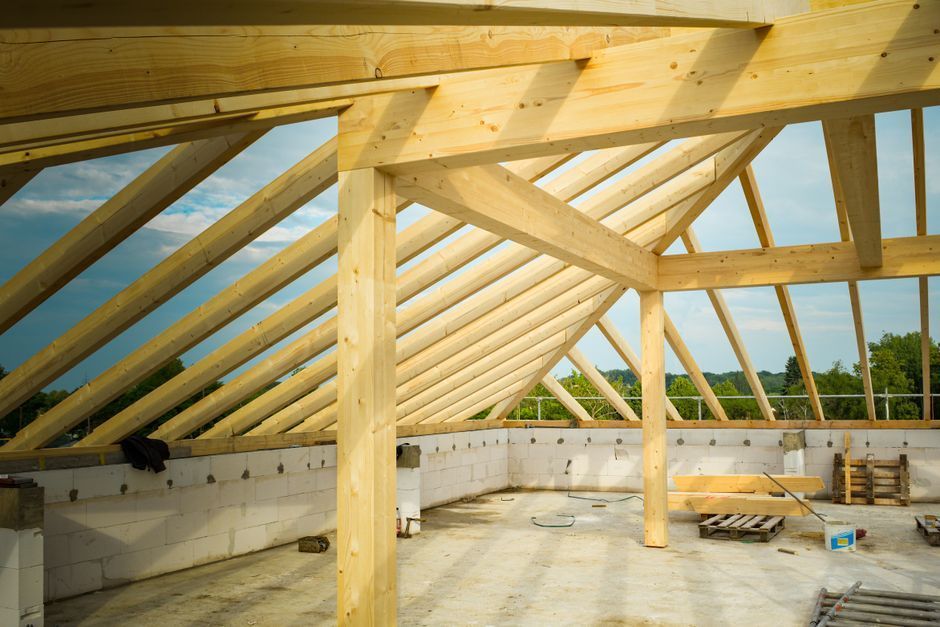
- Framing complete
- Dry-in (roof, windows, and exterior sheathing on, so the house sheds water)
- Mechanicals roughed in (plumbing, electrical, HVAC)
- Interior finishes
- Final completion and certificate of occupancy
At each stage, the builder submits a draw request with an itemized list of what was completed and what it cost. The lender sends an inspector out to verify the work matches the request. Once the inspector signs off, the money is released, usually directly to the builder or to a title company that disburses it. Some lenders also ask for lien waivers from subcontractors and suppliers to confirm they have been paid.
Your job during a draw is mostly to be reachable. The lender may need a signature or an approval from you. The builder's job is to keep the paperwork clean so the draw does not stall. A sloppy draw request can hold up money for a week or more, and a crew waiting on a check is a crew that moves to another job. That is a real reason to ask any builder you are considering how they handle draws and how many construction loans they have worked through. Bales Home Solutions has been through this cycle with local lenders enough times to know what their inspectors want to see, and we are based in LaFayette, not serving it from an hour away, which matters when an inspector needs to meet someone on site Tuesday morning.
If you have questions about how draws affect your particular budget, call us at (423) 991-9252 and we will talk through it.
Interest, Payments, and Rate Locks During the Build
During construction, you typically pay interest only, and only on the amount that has been drawn so far. Early in the build, after the foundation draw, your payment might be fairly small. By the finishes stage, with most of the loan drawn, it is closer to what a full mortgage payment would be. Some lenders let you roll an interest reserve into the loan so you are not making payments at all during the build, which helps if you are also paying rent or a mortgage on the house you live in now.
Rate locks on construction loans vary a lot. Some construction-to-permanent lenders lock your permanent rate at the first closing. Others set it when the loan converts at the end. A few offer a float-down if rates drop. Ask which it is, because an eight to twelve month build is long enough for the market to move either way.
Two things to budget for that families forget: the construction loan usually has its own closing costs, inspection fees, and sometimes a draw fee per release, and you are still paying to live somewhere while the house goes up. Put both in the spreadsheet.
How the Loan Shapes Your Timeline and Your Decisions
A construction loan does not just pay for the house. It sets rules the house gets built under.
The appraisal is the first one. Because the home does not exist, the appraiser values it from the plans and specs, "subject to completion." If the appraisal comes in under your contract price, the lender will not fund the gap. You either bring more cash, trim the scope, or rework the plan. This is why a realistic budget matters before you ever sit down with a lender. A builder who lowballs to win the job and then "finds" costs later can leave you with a house the bank will not fully pay for.
Allowances are the second. Your contract will likely have allowances for things like flooring, cabinets, countertops, and fixtures. If you pick above the allowance, the difference usually comes out of your pocket, not the loan, unless you planned for it. Change orders work the same way. The lender approved a number, and that number is what they fund.
Most lenders also want to see a contingency line in the budget, often a percentage of the hard costs, to absorb surprises like rock during excavation or a lumber price swing. If your builder's budget has no contingency, the lender may add one or question the budget.
Finally, construction loans have a term, often twelve months, sometimes longer. If the build runs past it, you may face extension fees or a rate adjustment. That makes your builder's schedule discipline a financial issue, not just a convenience. It also affects which kind of home makes sense for your family. We get into the cost and timing trade-offs in custom versus production homes in Northwest Georgia.
Frequently Asked Questions
Can I use land I already own as my down payment?
Often, yes. Most construction lenders will count the equity in land you own toward your required down payment, based on an appraisal of the lot. If you still owe on the land, the equity is the appraised value minus what you owe. Confirm with your lender how they value it and whether there are limits on how much of the down payment land equity can cover.
What is the difference between a construction loan and a construction-to-permanent loan?
A stand-alone construction loan pays for the build only and must be paid off with a separate permanent mortgage at a second closing. A construction-to-permanent loan combines both into one closing, converting automatically to a regular mortgage when the house is complete. One close is simpler and usually cheaper in fees. Two closes can offer more flexibility on the permanent loan.
How much do I need down for a construction loan in Georgia?
Down payment requirements are generally higher than for a finished-home mortgage, and they vary by lender and loan type. Land equity can cover some or all of it. Government-backed options such as USDA and VA construction programs exist in some areas and may require less down, but availability is limited and lender-specific. Ask several local banks and credit unions, because many in Northwest Georgia and Chattanooga do construction lending and their terms differ.
How do draws work and who approves them?
The builder submits a draw request at each completed stage. The lender sends an inspector to confirm the work, may request lien waivers, and then releases the funds. You, the borrower, often sign off as well. Nothing is paid out ahead of the work. If you want to see a sample draw schedule from an actual budget, call (423) 991-9252 and we will show you one.
What happens if the build costs more than the loan?
The lender funds the approved amount and not more. Overages from upgrades, change orders, or surprises come from your contingency line if you have one, or from your own cash if you do not. In some cases a lender will consider a loan modification, but do not count on it. A realistic budget with a contingency built in is the best protection.
Does the builder have to be approved by the bank?
Usually. Most lenders vet the builder before approving a construction loan, checking licensing, insurance, financial stability, and completed projects. Some only work with builders already on their approved list. Ask your lender early what they require, and ask your builder whether they have been through that process with local lenders before.
Walk In With Real Numbers
The families who have the easiest time with construction financing are the ones who show up to the bank with a builder's budget and contract already in hand. The lender has something to underwrite, the appraiser has something to value, and you have a clear picture of what you are signing up for.
That is where we can help before you ever talk to a lender. Bales Home Solutions will sit down with you, go through a real line-item budget for the home you have in mind, explain what the contract will say, and point out where allowances and contingency will matter. It is a free conversation with no obligation, and it tends to save people from the surprise appraisal gap or the overage they did not see coming.
Joseph Bales and the team at Bales Home Solutions build in LaFayette, Chickamauga, Rossville, Ringgold, Fort Oglethorpe, Rock Spring, Dalton, and across Walker and Catoosa County and the greater Chattanooga area. Call (423) 991-9252 to set up a time, and go into your lender meeting ready.