Energy-Efficient Homes in Rossville, GA: Build Smarter
Energy efficiency is one of the few features of a home that pays you back every single month for as long as you own it.
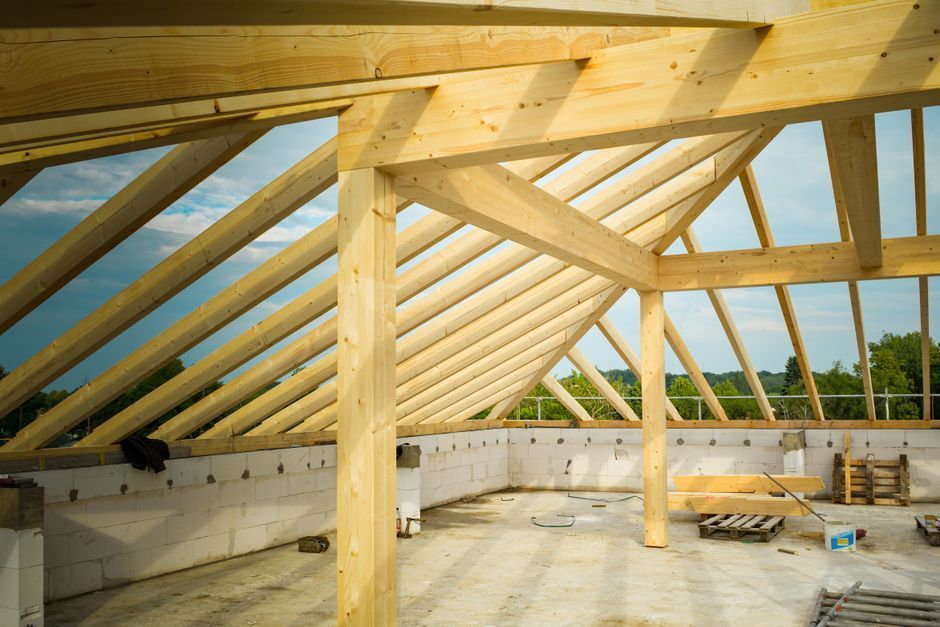
It is also one of the hardest things to add later. Insulation, air sealing, window placement, and duct design are all decisions made during framing and rough-in. Once drywall is up, most of them are effectively permanent.
That is what makes building custom the best opportunity you will get. If you are planning an energy-efficient custom home in Rossville, GA, here is where the money actually goes and which choices matter most.
Start With the Envelope, Not the Equipment
The instinct is to buy the biggest, most efficient HVAC system available. It is the wrong place to start.
A home's envelope — the walls, roof, windows, doors, and the air seal between them — determines how much heating and cooling the house needs in the first place. A tight, well-insulated home can be conditioned by a smaller system, which costs less to buy and less to run.
Spend on the envelope first. The equipment savings partly pay for it.
The U.S. Department of Energy publishes detailed guidance on building envelope performance, and it is worth reading before your design meeting.
Where Efficiency Money Goes Furthest in a New Build
Air sealing. The single highest-return item, and the least glamorous. Sealing the gaps where framing members meet, where plumbing and wiring penetrate, and around windows and doors stops the constant air exchange that drives heating and cooling loads. It costs relatively little during construction and is nearly impossible to do properly afterward.
Insulation, done correctly. The material matters less than the installation. Insulation with gaps, compression, or voids underperforms badly regardless of what the package says. Attic insulation matters most in our climate, since that is where the heat load is.
Duct design and location. Ducts running through an unconditioned attic lose energy constantly. Bringing ductwork inside the conditioned envelope, or sealing and insulating it properly, is a design decision made early.
Windows and orientation. Window performance ratings matter, but so does placement. In Northwest Georgia's cooling-dominated climate, controlling summer sun on west-facing glass does real work. Porch overhangs and roof design are part of this equation, not separate from it.
Right-sized HVAC. An oversized system short-cycles, which is inefficient and does a poor job of removing humidity — a real consideration in Georgia summers. Sizing should be based on a load calculation for your specific home, not a rule of thumb.
Water heating. A frequently overlooked ongoing cost. Heat pump water heaters and tankless units each have tradeoffs worth discussing during design.
Roof and attic details. Ventilation, radiant barrier decking, and attic insulation depth all affect how much heat pushes into the living space during a Georgia August.
Why This Matters for Rossville Homeowners
Rossville sits in a climate that asks a lot of a home in both directions — humid, hot summers with long cooling seasons, and cold enough winter stretches to matter.
That combination means efficiency here is not a single-season concern. A house that handles summer humidity well and holds heat in January is doing two different jobs, and the envelope is what makes both possible.
It also means the payback period on envelope investments is shorter than in milder climates. You are running the HVAC system a lot. Anything that reduces how hard it works shows up on the bill quickly.
Efficiency Choices That Cost Little or Nothing
Not every efficient decision costs money. Several are free if made early:
- Home orientation on the lot. How the house sits relative to the sun affects cooling load. Free at the design stage, impossible later.
- Roof overhang depth. Deeper overhangs shade windows in summer while still allowing lower winter sun.
- Window placement. Same number of windows, better positions.
- Compact plumbing layout. Grouping wet walls shortens hot water runs, which means less waiting and less waste.
- Ceiling fan blocking. Framing for fans during construction costs almost nothing.
These are the decisions that get missed when a plan is picked from a catalog rather than designed for a specific lot. It is one of the underrated advantages of building custom.
Building an Energy-Efficient Custom Home in Rossville, GA
Every Bales Home Solutions custom build includes the systems where efficiency lives — foundation and framing, plumbing, electrical and HVAC installation, insulation and interior finishes, and exterior features like porches and roof design.
Because it is all coordinated under one builder, the envelope decisions and the mechanical decisions get made together rather than by separate contractors optimizing separately.
Bring your efficiency priorities to the consultation. If lower operating cost matters to you more than square footage, say so early — it changes the design conversation in useful ways.
Certification: Worth It or Not?
Programs like ENERGY STAR for new homes set performance standards verified through testing, including blower door tests for air leakage.
Whether formal certification is worth pursuing depends on your goals. Some homeowners want the third-party verification and any associated incentives; others simply want the underlying practices without the certification process.
Either way, the practices themselves — air sealing, verified insulation, right-sized equipment, sealed ducts — are what produce the savings. The certificate documents them; it does not create them.
Frequently Asked Questions
Does building an energy-efficient home cost more upfront? Some measures add cost, some are free design decisions, and some reduce cost elsewhere — a tighter envelope allows a smaller HVAC system. The net premium is usually smaller than homeowners expect, and it returns monthly.
What is the highest-return efficiency upgrade in a new home? Air sealing, generally. It is inexpensive during construction, difficult to retrofit, and reduces load year-round.
Is spray foam better than traditional insulation in Georgia? Each has tradeoffs in cost, air sealing performance, and application. The right choice depends on your assembly and budget — worth discussing during design rather than deciding in advance.
Can you build an energy-efficient custom home in Rossville, GA? Yes. Efficiency measures are integrated during framing, insulation, and mechanical installation on our custom builds. Raise your priorities at the consultation stage.
Will an efficient home be uncomfortable or stuffy? No — a tight home needs planned ventilation, which is part of good design. Done properly, tight homes are more comfortable, with fewer drafts and better humidity control.
Do you serve Rossville and surrounding areas? We serve communities throughout Northwest Georgia including LaFayette, Chickamauga, Rock Spring, Ringgold, Fort Oglethorpe, Summerville, and Dalton. Call to confirm coverage for your specific address.
Build It In From the Start
The best time to make a home efficient is before the walls close up. If you are planning custom home building in Rossville, GA, bring efficiency into the first conversation rather than the last.
Bales Home Solutions offers free estimates, and we are happy to walk through where efficiency spending makes the most difference on your specific plan and lot.
Call (423) 991-9252 or request your free estimate online.